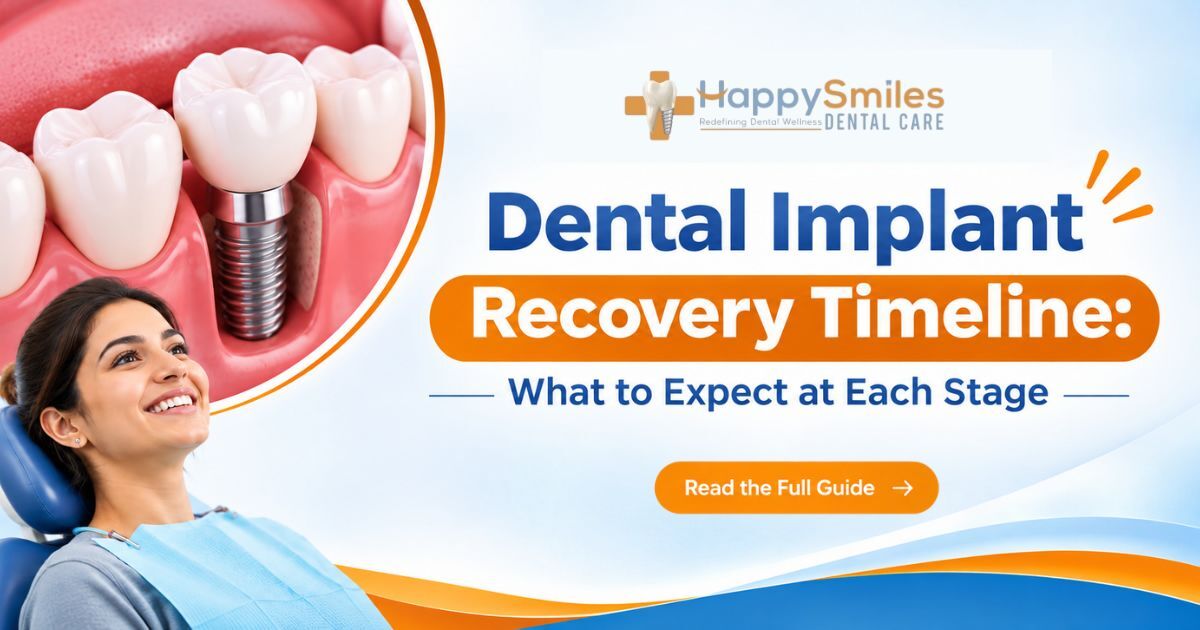
Here’s the part many people don’t expect. Once your mouth feels fine, the real work continues out of sight. Cleveland Clinic explains that initial healing takes about a week, but the jawbone needs anywhere from three to nine months to fuse around the implant. This fusion is called osseointegration.
It’s the most important of the dental implant healing stages, because it gives the implant the strength of a natural root. Meanwhile, you can eat fairly normally and attend check-ups so your dentist can track progress with X-rays.
The First 72 Hours: Rest Comes First
Expect some swelling, mild bruising and soreness once the anaesthetic wears off. It usually peaks around day two or three, then eases. These early days set the tone for your overall dental implant recovery time, so it pays to take them seriously.
A few simple habits help:
- Hold a cold compress against your cheek for short spells on the first day.
- Stick to soft, cool foods such as curd rice or mashed vegetables.
- Avoid hot drinks, straws and spitting, as they can disturb the blood clot.
- Take any medicines exactly as your dentist prescribes.
Skip smoking completely. It reduces blood flow to the gums and is a well-known cause of slower healing. This kind of dental implant post surgery care sounds basic, but it protects the clot that starts the whole healing process.
Days 7 to 14: The Gums Close Over
By the end of the first week, most of the tenderness has faded. Stitches either dissolve on their own or come out at a quick follow-up visit.
You can slowly return to your usual diet, but keep chewing away from the implant side. Brush gently around the area and use a warm salt-water rinse if your dentist recommends it. This short soft-tissue phase is only the first slice of the total dental implant healing time.
Why Dental Implant Recovery Time Stretches Into Months
Here’s the part many people don’t expect. Once your mouth feels fine, the real work continues out of sight. Cleveland Clinic explains that initial healing takes about a week, but the jawbone needs anywhere from three to nine months to fuse around the implant. This fusion is called osseointegration.
It’s the most important of the dental implant healing stages, because it gives the implant the strength of a natural root. Meanwhile, you can eat fairly normally and attend check-ups so your dentist can track progress with X-rays.
The Final Crown: Where It All Comes Together
Once the bone has bonded well, your dentist attaches a small connector called an abutment. A custom crown then goes on top, shaped and shaded to match your neighbouring teeth. This marks the end of the dental implant recovery process and the moment you can chew with confidence again.
What Speeds Things Up (and What Slows Them Down)
No two mouths heal at the same pace. Bone in the upper jaw is softer than in the lower jaw, so it often needs extra time. A bone graft before the implant also adds months to the plan. Smoking, uncontrolled diabetes and poor oral hygiene all slow recovery after dental implant surgery. Steady habits and regular reviews keep things on track.
Ready for a Smile That Lasts?
Once you know your dental implant recovery time, it’s easier to plan around work and family. The early discomfort passes quickly. The months after are mostly waiting, not suffering.
If you’re considering implants, Dr. Sudhir K.M. at Happy Smiles in Davangere can assess your bone and explain your likely timeline before anything begins. Book a consultation and get a clear plan for your new tooth.
FAQs
How long is dental implant recovery time overall?
Most people feel comfortable within one to two weeks. Full healing takes longer, because the jawbone needs three to nine months to fuse with the implant. Your own bone, health and treatment plan shape your dental implant recovery time.
Is it painful after implant surgery?
You can expect soreness, swelling and mild bruising for the first few days. Pain relief prescribed by your dentist usually keeps it manageable. Pain that gets worse after day three, or comes with a fever, needs a call to your dentist.
When can I eat normally after an implant?
Stick to soft foods for the first week or so. After that, you can slowly add firmer foods while chewing on the other side. Avoid biting hard foods directly on the implant until your final crown has been fitted.
Can I go back to work the next day?
Many people return to desk jobs within a day or two. Doing heavy, physical work? Then give yourself a few extra days off to rest. Your dentist will tell you when it’s safe, based on your surgery and how you’re healing.
How do I know my implant is healing well?
Good signs are simple. The swelling goes down, the gum turns a healthy pink and each week feels easier. At your follow-ups, your dentist at Happy Smiles checks the bone with X-rays before the final crown goes on.