
Tooth pain can quietly take over your entire day. Eating becomes uncomfortable, sleeping gets difficult, and even drinking something cold suddenly feels like a problem. Most people try to ignore it at first, hoping it’ll settle on its own. But when the pain starts lingering or gets sharper, it’s usually a sign that something deeper is going on inside the tooth.
That’s where modern Root canal treatment in Davangere can help. Contrary to what many people still believe, root canal treatment today is no longer the painful experience it once had a reputation for. With better technology, improved anaesthesia, and more precise treatment methods, the procedure is designed to remove infection while keeping you as comfortable as possible.
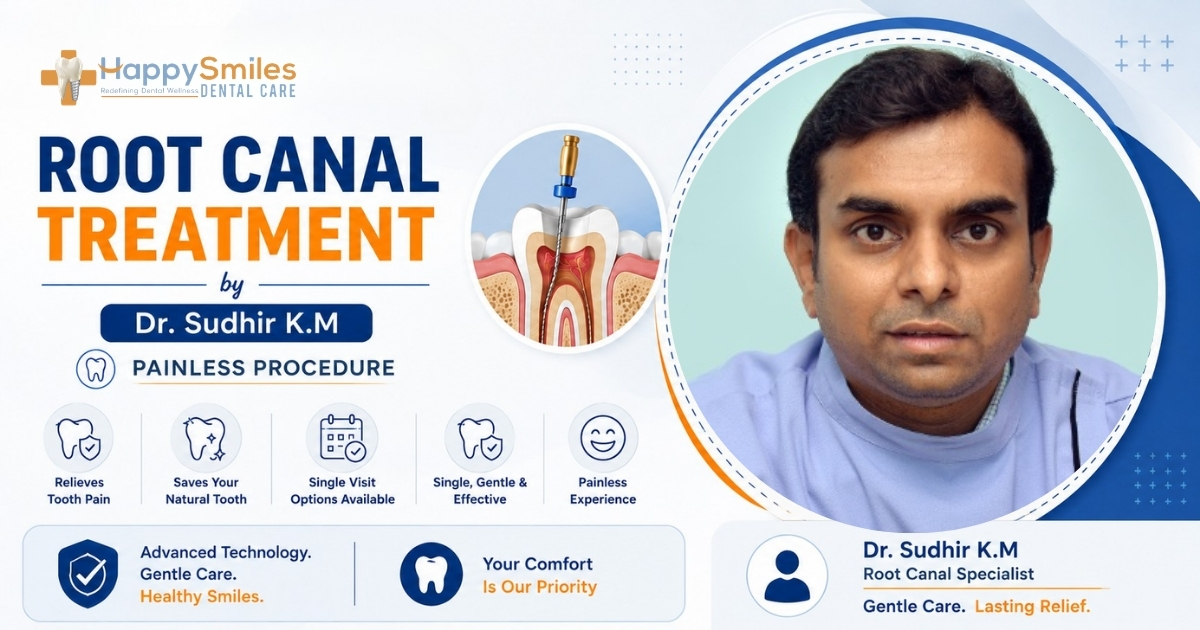
Dr Sudhir K.M focuses on exactly that – saving natural teeth through careful, patient-friendly treatment that feels far less intimidating than most people expect.
How Modern Root Canal Procedures Help Save Teeth Comfortably
A root canal treatment removes infection from inside the tooth, cleans the canals carefully, and seals them to stop the infection from returning. Modern dental techniques and local anaesthesia make the procedure safe, effective, and much more comfortable than older treatment methods.
Treating the problem early also helps save the natural tooth and prevents the infection from spreading further into the gums or surrounding teeth.
What Exactly Happens During a Root Canal?
Inside every tooth is a soft tissue called pulp, which contains nerves and blood vessels. When that pulp becomes infected because of deep decay, cracks, injury, or untreated cavities, it can cause severe pain and sensitivity.
During a root canal, the infected tissue is gently removed. The inside of the tooth is then cleaned, disinfected, and sealed properly. In many cases, a crown is placed afterwards to strengthen the tooth and help it function normally again.
The main goal is simple – save your natural tooth instead of removing it.
Common Signs You May Need Treatment
A lot of people delay treatment because the pain comes and goes. But dental infections rarely disappear without proper care.
Some common warning signs include:
- Persistent toothache
- Sharp pain while chewing
- Sensitivity to hot or cold food and drinks
- Swollen or tender gums
- A darkened tooth
- Small swelling or pus near the gums
If you notice these symptoms, it’s best not to wait too long before seeing a dentist.
Why Root Canal Treatment Feels Much Easier Today
One of the biggest fears people have about root canals comes from outdated stories. Dentistry has changed enormously over the years, and modern procedures are far more comfortable than people expect.
With digital imaging, rotary instruments, and improved local anaesthesia, painless root canal treatment in Davangere is now possible for most patients. The newer tools help dentists work more accurately and efficiently, which often means less discomfort and shorter treatment time.
Most patients are actually surprised by how manageable the procedure feels once it begins. A calm environment and clear communication also make a huge difference. When patients understand what’s happening step by step, the anxiety around treatment reduces naturally.
Why Choosing the Right Dentist Makes a Difference
Root canal treatment requires precision and experience. Cleaning the canals properly and sealing them carefully plays a major role in how successful the treatment will be long-term. Patients searching for the best dentist for root canal in Davangere usually want two things: a dentist who knows the procedure well and someone who makes them feel comfortable throughout the process.
Dr Sudhir K.M focuses on conservative treatment, accurate diagnosis, and patient comfort. The approach is centred around preserving healthy tooth structure wherever possible while making the experience less stressful for the patient.
Understanding Root Canal Treatment Costs
The cost of treatment can vary depending on the tooth involved, the severity of infection, and whether a crown is needed after the procedure. Back teeth generally take more time because they contain multiple canals.
Patients looking for affordable root canal treatment in Davangere should also consider treatment quality, hygiene standards, technology, and long-term outcomes rather than focusing only on the lowest price.
Delaying treatment often leads to bigger dental problems later, which can become more expensive and more uncomfortable to manage.
The Takeaway
Tooth infections rarely improve without treatment, and ignoring the pain usually makes things worse over time. The good news is that modern Root canal treatment in Davangere is now far more comfortable, precise, and predictable than many people think.
At Happy Smiles Dental Care, dentists combine advanced dental technology with a calm, patient-friendly approach to help people save their natural teeth without unnecessary stress or discomfort.
FAQs
1. Is root canal treatment painful?
Modern root canal procedures are usually far more comfortable than people expect. With local anaesthesia, digital diagnostics, and updated dental equipment, most patients experience minimal discomfort during treatment. In fact, painless root canal treatment in Davangere is now a realistic expectation for many patients undergoing modern endodontic care.
2. How long does a root canal treatment take?
The treatment duration depends on the condition of the tooth and the number of canals involved. Many procedures are completed within one or two appointments. Molars may take slightly longer because they contain multiple canals that require careful cleaning, shaping, and sealing to ensure long-term treatment success.
3. How do I know if I need a root canal?
Persistent tooth pain, sensitivity to hot or cold foods, swelling near the gums, or discomfort while chewing may indicate pulp infection. A dental examination and X-rays help confirm the diagnosis. Early Root canal treatment in Davangere can prevent tooth extraction and reduce the spread of infection significantly.
4. Is a dental crown necessary after root canal treatment?
In many cases, yes. Teeth treated with root canals can become weaker over time, especially back teeth exposed to chewing pressure. A crown helps protect the treated tooth, restores strength, and improves durability, allowing the tooth to function normally for many years with proper oral care.
5. What affects the cost of root canal treatment?
Several factors influence treatment costs, including the location of the tooth, the severity of infection, the need for a dental crown, and the technology used during treatment. Patients searching for the best dentist for root canal in Davangere should also consider experience, sterilisation standards, and long-term treatment quality before deciding.